Sports Injuries
Enquire Now
- Home
- |
- Pain Condition
- |
- Sports Injuries
Sports Injuries
Overview
Sports injuries can occur during athletic activities or exercises, resulting from sudden trauma, overuse, poor technique, or inadequate conditioning. Physical therapists, such as Sports Injury Specialists in Hyderabad offer comprehensive evaluation and personalised treatment plans for individuals suffering from sports injuries.
Types of Sports Injuries
- Sprains and Strains: Stretching or tearing of ligaments (sprains) or muscles/tendons (strains), commonly affecting the ankles, knees, or shoulders.
- Fractures: Broken bones resulting from direct impact or excessive force, such as stress fractures, avulsion fractures, or compound fractures.
- Dislocations: Displacement of bones from their normal position within a joint, often seen in the shoulders, fingers, or knees.
- Tendonitis: Inflammation or irritation of tendons due to repetitive overuse or sudden exertion, leading to pain and restricted movement.
- Concussions: Traumatic brain injuries caused by a blow to the head, resulting in symptoms such as headache, dizziness, confusion, or memory loss.
- Muscle Cramps: Painful, involuntary contractions of muscles, often occurring during or after intense physical activity due to dehydration or electrolyte imbalance.
- Overuse Injuries: Chronic injuries caused by repetitive stress on muscles, tendons, or bones, such as a runner’s knee, tennis elbow, or shin splints.
Symptoms of Sports Injuries
- Pain: Dull, sharp, or throbbing pain localised to the injured area, exacerbated by movement or weight-bearing activities.
- Swelling: Visible swelling, bruising, or inflammation around the injured site, indicating tissue damage or inflammation.
- Instability: Feeling of looseness, weakness, or giving way in the affected joint, suggesting ligament or tendon injury.
- Restricted Range of Motion: Difficulty moving the injured joint through its full range of motion, indicating muscle, tendon, or joint involvement.
- Numbness/Tingling: Sensations of numbness, tingling, or pins and needles in the affected limb, indicating nerve compression or irritation.
Diagnosis and Treatment for Sports Injuries Hyderabad
- Medical History: Detailed assessment of the injury mechanism, onset, duration, and aggravating factors, as well as previous injuries or medical conditions.
- Physical Examination: Evaluation of the injured area for tenderness, swelling, instability, range of motion, and neurological function.
- Diagnostic Tests: X-rays, MRI scans, CT scans, or ultrasound imaging may be ordered to assess the extent of tissue damage and identify fractures, dislocations, or soft tissue injuries.
- Treatment Options: Depending on the type and severity of the injury, treatment may include rest, ice, compression, elevation (RICE), immobilisation with splints or braces, pain medications, or physical therapy.
To get the best treatment, contact Dr Amarnath’s pain management clinic for the best Sports Medicine Doctor in Hyderabad.
Conclusion
Sports injuries can disrupt athletic performance and affect overall well-being, but with proper evaluation and treatment from physical therapists at Dr. Amarnath’s Pain Management Clinic, individuals can recover and safely return to their sport or activity.
By addressing the underlying causes of sports injuries and implementing appropriate treatment strategies, individuals can minimise pain, prevent complications, and optimise their recovery process. If you’ve sustained a sports injury, seek prompt medical attention for accurate diagnosis and personalised treatment recommendations tailored to your specific needs.
Get Rehabilitation for Sports Injuries in Hyderabad, by just calling us in case of injury.
Meet Our Doctors

Dr. Amarnath Reddy
MBBS, M.D. (Anaesthesiology), FIPM, EDRA, Fellowship in Chronic Pain (University of Toronto)
- Experience:15 years
- Hyderabad, Ts
Dr. Amarnath Reddy
MBBS, M.D. (Anaesthesiology), FIPM, EDRA, Fellowship in Chronic Pain (University of Toronto)
- Experience:15 years
- Hyderabad, Ts
Why Choose Us

Patient Experience
Your care and comfort are our top priorities. We ensure that the patients are well informed prior to every step we take for their benefit and that their queries are effectively answered.
Latest Technology
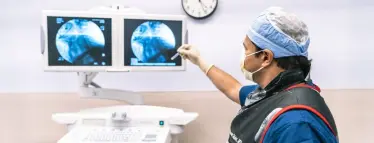
The Gleneagles Hospitals team stays up to date on the advancements in medical procedures and technologies. Experience the Future Healthcare Technologies now at Gleneagles Hospitals

Providing Quality Care
Strengthening lives through compassionate care, innovative therapies and relentless efforts. It reflects in the DNA of our passionate team of doctors and dedicated clinical staff