
Understanding Brain Tumors: Causes, Symptoms, Diagnosis and Treatment Options
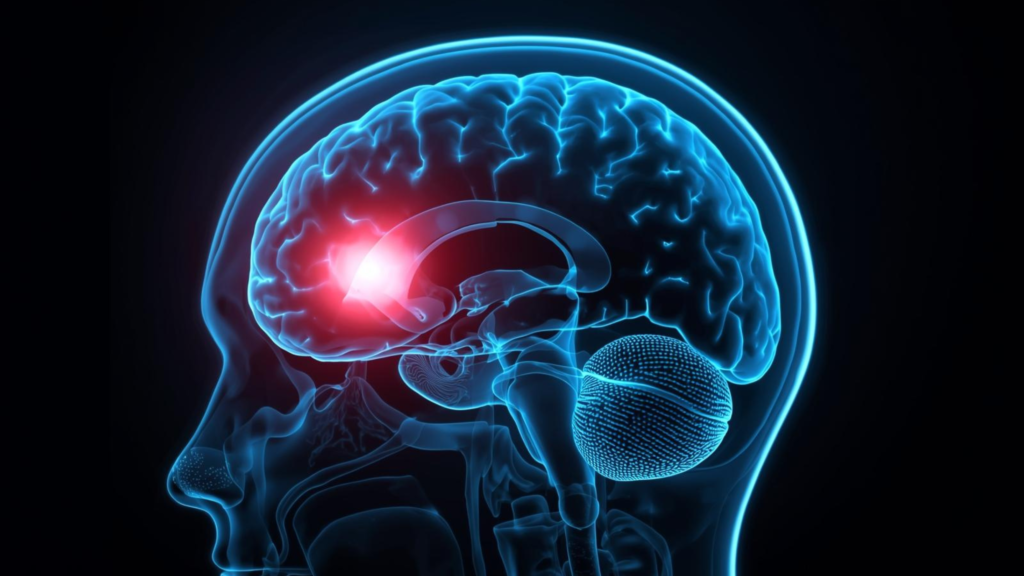
A brain tumor is an abnormal growth of cells within the brain or surrounding tissues. These tumors can be either benign (non-cancerous) or malignant (cancerous). Regardless of type, brain tumors require careful evaluation because even non-cancerous tumors can affect critical brain functions due to pressure on nearby structures.
Early diagnosis and timely treatment play a vital role in improving patient outcomes. With advances in neurosurgical techniques and epilepsy surgery approaches, many brain tumor cases can now be managed effectively.
What Causes Brain Tumors?
The exact cause of most brain tumors remains unknown. However, certain risk factors may increase the likelihood of developing a tumor. These include genetic predisposition, exposure to radiation, and certain inherited conditions. In some cases, tumors may spread to the brain from other parts of the body, known as metastatic brain tumors.
It is important to understand that brain tumors are not caused by routine activities or lifestyle habits in most patients.
Symptoms of Brain Tumors
Symptoms vary depending on the tumor’s size, location, and growth rate. Some patients may experience persistent headaches, especially those that worsen in the morning. Others may develop seizures, vision problems, difficulty speaking, weakness in the arms or legs, memory issues, or changes in personality.
Because symptoms can resemble other neurological conditions, professional medical evaluation is essential for accurate diagnosis.
Diagnosis and Evaluation
Diagnosis typically begins with a detailed neurological examination followed by imaging studies such as MRI or CT scans. These imaging techniques help identify the location, size, and characteristics of the tumor.
In some cases, a biopsy may be required to determine the exact type of tumor. Advanced imaging and neuro-navigation systems assist neurosurgeons in planning precise and safe surgical procedures.
Treatment Options
Treatment depends on several factors, including the type, size, and location of the tumor, as well as the patient’s overall health. Common treatment approaches include surgical removal, radiation therapy, chemotherapy, or a combination of these methods.
For tumors associated with seizures, specialized epilepsy surgery techniques may also be considered. Modern neurosurgery focuses on maximizing tumor removal while preserving normal brain function.
When to Consult a Neurosurgeon
Persistent headaches, unexplained seizures, neurological weakness, or sudden changes in behavior should not be ignored. Early consultation with a qualified neurosurgeon ensures timely diagnosis and appropriate treatment planning.
With expert surgical care and continuous follow-up, many patients with brain tumors can achieve improved quality of life and long-term recovery.
