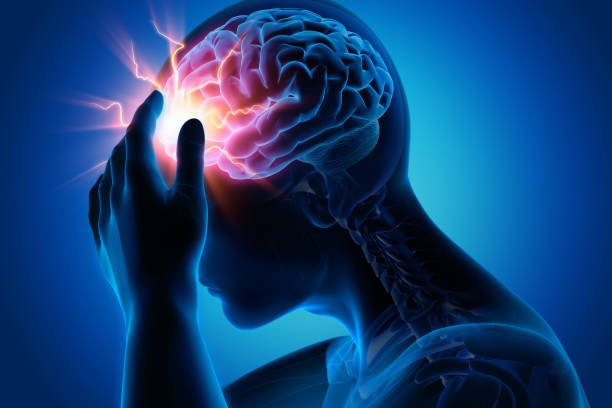
Traumatic Brain Injury (TBI) is a serious medical condition caused by a sudden impact, blow, jolt, or penetrating injury to the head that disrupts normal brain function. TBIs can range from mild concussions to severe brain damage, depending on the force and location of the injury. The brain is highly sensitive, and even a brief disturbance can affect memory, movement, speech, emotions, and overall cognitive function. Prompt evaluation and expert neurological care are essential to minimize complications and ensure optimal recovery. Early intervention can significantly improve outcomes and reduce the risk of long-term disability.
Traumatic brain injuries commonly result from road traffic accidents, falls, sports injuries, workplace accidents, or physical assaults. In older adults, falls are a leading cause of TBI, while in younger individuals, motor vehicle accidents are more common. Severe head trauma may also occur during high-impact sports or due to blunt force injuries. In some cases, penetrating injuries such as those caused by sharp objects can directly damage brain tissue. The severity of injury depends on factors such as the intensity of impact, duration of unconsciousness, and overall health of the individual.
Symptoms of traumatic brain injury vary based on severity. Mild TBI, often referred to as a concussion, may cause headache, dizziness, confusion, nausea, temporary memory loss, or sensitivity to light and noise. Moderate to severe TBI may present with persistent headache, repeated vomiting, seizures, slurred speech, weakness or numbness in limbs, difficulty waking up, or prolonged unconsciousness. Behavioral changes, mood swings, and cognitive difficulties may also develop over time. Any head injury accompanied by worsening symptoms or altered consciousness requires immediate medical evaluation.
Diagnosis begins with a thorough neurological examination to assess consciousness, reflexes, coordination, and cognitive function. Imaging studies such as Computed Tomography (CT) scans are often performed immediately after injury to detect bleeding, skull fractures, or swelling in the brain. Magnetic Resonance Imaging (MRI) may be recommended for detailed evaluation of brain tissue damage. In some cases, intracranial pressure monitoring may be required in severe injuries. Accurate and timely diagnosis is crucial to determine the severity of the injury and guide appropriate treatment decisions.
Treatment depends on the severity of the brain injury. Mild TBIs often require rest, close observation, and symptom management. Patients are advised to avoid strenuous activities and gradually return to normal routines under medical supervision. Moderate to severe injuries may require hospitalization, intensive care monitoring, and medications to control swelling, prevent seizures, and manage pain.
In cases where there is bleeding or significant pressure on the brain, surgical intervention may be necessary. Procedures such as removal of blood clots, repair of skull fractures, or decompressive surgery to relieve pressure can be life-saving. A multidisciplinary approach involving neurosurgeons, neurologists, and rehabilitation specialists ensures comprehensive care tailored to each patient’s needs.
Recovery from traumatic brain injury can vary widely. Rehabilitation plays a vital role in restoring physical strength, cognitive abilities, speech, and emotional well-being. Depending on the extent of injury, patients may require physiotherapy, occupational therapy, speech therapy, and psychological support. Regular follow-up visits are essential to monitor recovery progress and address any long-term effects. Family support and structured rehabilitation programs significantly enhance recovery outcomes.
Traumatic brain injuries can lead to complications such as persistent headaches, memory problems, seizures, mood disorders, or difficulty concentrating. Severe injuries may result in long-term neurological deficits or disability. In some cases, complications such as brain swelling, infection, or delayed bleeding can occur. Early diagnosis, timely intervention, and continuous monitoring greatly reduce the risk of serious complications.
Immediate medical attention is necessary if a person experiences loss of consciousness, repeated vomiting, severe headache, seizures, confusion, weakness in limbs, or difficulty speaking after a head injury. Even mild symptoms should not be ignored, especially if they worsen over time. Seeking prompt medical evaluation after any significant head trauma ensures early detection of serious conditions and improves the chances of a full and safe recovery.