Thoracic Medial Branch Block
Enquire Now
- Home
- |
- Services
- |
- Thoracic Medial Branch Block
Thoracic Medial Branch Block
Introduction:
Thoracic Medial Branch Block is a minimally invasive procedure used to diagnose and treat pain originating from the facet joints in the thoracic spine. This procedure targets the medial branch nerves that transmit pain signals from the facet joints to the brain, providing relief for patients suffering from thoracic spine pain.
Overview
Thoracic Medial Branch Block therapy involves the injection of a local anaesthetic and steroid medication near the medial branch nerves to alleviate pain and inflammation associated with thoracic facet joint dysfunction.
Common Causes:
Degenerative Changes: Arthritis and degenerative disc disease can lead to wear and tear of the thoracic spine’s facet joints and discs, causing pain and stiffness.
Trauma or Injury: Events like car accidents, falls, or sports injuries can result in fractures, sprains, or strains in the thoracic spine, leading to acute or chronic pain.
Herniated or Bulging Discs: Disc herniation or bulging discs can compress nearby nerves, causing pain, numbness, or tingling sensations in the mid-back region.
Osteoarthritis: Thoracic facet joint osteoarthritis can cause inflammation, stiffness, and pain in the mid-back because of cartilage degeneration and bone-on-bone friction.
Muscle Strain: Overuse or improper lifting techniques can strain thoracic spine muscles, resulting in pain and discomfort.
Poor Posture: Prolonged periods of poor posture can strain thoracic spine muscles and ligaments, leading to pain and stiffness.
Spinal Stenosis: Narrowing of the spinal canal in the thoracic region because of age-related changes or conditions like spondylosis can compress spinal nerves, causing pain and weakness.
Scoliosis: Abnormal spine curvature, such as scoliosis, can affect thoracic spine alignment, leading to muscle imbalances and pain.
Inflammatory Conditions: Diseases like ankylosing spondylitis or rheumatoid arthritis can cause inflammation and pain in the thoracic spine.
Visceral Causes: Pain from chest or abdominal organs, such as the lungs or heart, can be felt in the thoracic spine region, causing referred pain.
Symptoms:
Mid-Back Pain: Sharp or dull pain in the mid-back region, often described as aching or burning sensation.
Limited Range of Motion: Difficulty bending, twisting, or turning the torso due to pain and stiffness in the thoracic spine.
Muscle Stiffness: Tightness or stiffness in the muscles surrounding the mid-back area, making movement uncomfortable.
Radiating Pain: Pain that radiates from the mid-back to the chest, abdomen, or shoulders, depending on the underlying cause.
Numbness or Tingling: Sensations of numbness, tingling, or pins and needles in the mid-back region or extending down the arms or legs.
Weakness: Weakness or fatigue in the arms, hands, or legs, especially when performing activities that involve the upper body.
Thoracic Kyphosis: Increased curvature of the thoracic spine, leading to a rounded upper back appearance and postural changes.
Pain with Movement: Experiencing increased pain with certain movements or activities, such as lifting, bending, or prolonged sitting or standing.
Difficulty Breathing: In some cases, thoracic spine pain may cause difficulty breathing or chest discomfort, especially if the pain is related to underlying visceral causes.
Sleep Disturbances: Discomfort or pain in the mid-back region that worsens at night, leading to sleep disturbances or difficulty finding a comfortable sleeping position.
What is the Thoracic Medial Branch Block?
Thoracic Medial Branch Block therapy is a specialised procedure performed by trained pain management specialists to target and alleviate thoracic spine pain
When do you need our treatment?
When conservative treatments such as medication and physical therapy fail to provide relief,
When thoracic spine pain significantly impacts daily activities and quality of life
When diagnostic tests indicate facet joint dysfunction as the source of pain,
How does Thoracic Medial Branch Block therapy work?
The local anaesthetic numbs the medial branch nerves, temporarily blocking pain signals from reaching the brain.
The steroid medication reduces inflammation and provides long-lasting pain relief.
Benefits of Thoracic Medial Branch Block Therapy:
Provides targeted pain relief for thoracic spine pain
Minimally invasive procedure with a low risk of complications
Helps diagnose the source of thoracic spine pain
It can provide immediate relief, allowing patients to resume normal activities
Why Choose Dr. Amarnath Pain Management Clinic?
Proven Effectiveness: Extensive research demonstrates relief for chronic thoracic spine pain, enhancing functionality and improving quality of life for patients.
Safety Assurance: Thoracic Medial Branch Block therapy, administered by our trained professionals, ensures minimal risk and prioritises patient safety throughout the procedure.
Convenience: Our outpatient procedures for Thoracic Medial Branch Block therapy require minimal downtime, allowing patients to quickly return to their daily activities with improved comfort and mobility.
The expertise of Dr. Amarnath: Led by renowned specialist Dr. Amarnath Reddy B, our clinic offers unparalleled expertise in Thoracic Medial Branch Block therapy, providing patients with the highest standard of care and outcomes.
Advanced Facilities: Equipped with modern technology and state-of-the-art facilities, we deliver Thoracic Medial Branch Block therapy with precision and accuracy for optimal results.
Personalised Treatment: Each patient receives a tailored treatment plan addressing their individual needs, ensuring effective pain relief and high levels of patient satisfaction.
Proven Track Record: Patients with chronic thoracic spine pain benefit from improved function and well-being with our Thoracic Medial Branch Block therapy, supported by a track record of successful outcomes.
Meet Our Doctors

Dr. Amarnath Reddy
MBBS, M.D. (Anaesthesiology), FIPM, EDRA, Fellowship in Chronic Pain (University of Toronto)
- Experience:15 years
- Hyderabad, Ts
Dr. Amarnath Reddy
MBBS, M.D. (Anaesthesiology), FIPM, EDRA, Fellowship in Chronic Pain (University of Toronto)
- Experience:15 years
- Hyderabad, Ts
Why Choose Us

Patient Experience
Your care and comfort are our top priorities. We ensure that the patients are well informed prior to every step we take for their benefit and that their queries are effectively answered.
Latest Technology
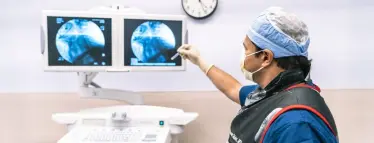
The Gleneagles Hospitals team stays up to date on the advancements in medical procedures and technologies. Experience the Future Healthcare Technologies now at Gleneagles Hospitals

Providing Quality Care
Strengthening lives through compassionate care, innovative therapies and relentless efforts. It reflects in the DNA of our passionate team of doctors and dedicated clinical staff