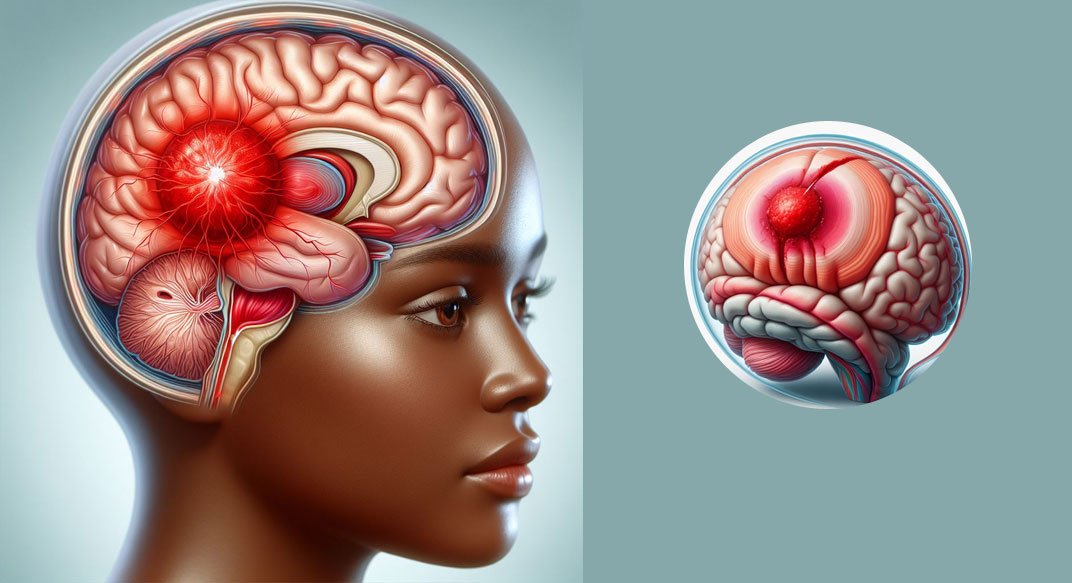
A subdural hematoma is a serious neurological condition in which blood collects between the surface of the brain and the dura mater, the outer protective covering of the brain. This accumulation of blood usually occurs after a head injury and can place pressure on the brain tissue, potentially leading to life-threatening complications if not treated promptly. Subdural hematomas may develop rapidly after severe trauma or gradually over days to weeks following a minor injury, particularly in elderly individuals. Early recognition and timely neurosurgical care are essential to prevent permanent brain damage. Under the expert guidance of Dr. Raghu Samala, patients receive prompt diagnosis and advanced treatment tailored to the severity of the condition.
The most common cause of a subdural hematoma is head trauma resulting from road traffic accidents, falls, sports injuries, or physical assaults. In elderly patients, even minor head injuries can lead to bleeding due to age-related brain shrinkage, which stretches the veins bridging the brain and dura. Individuals taking blood thinners or those with bleeding disorders are at higher risk. Alcohol misuse and certain medical conditions may also increase susceptibility. The condition may be classified as acute, subacute, or chronic depending on how quickly symptoms develop.
Symptoms of a subdural hematoma can vary depending on the size and rate of bleeding. Acute cases often present with severe headache, confusion, vomiting, drowsiness, weakness on one side of the body, seizures, or loss of consciousness shortly after injury. Chronic subdural hematomas may develop more slowly and cause subtle symptoms such as progressive headache, memory problems, personality changes, imbalance, or difficulty speaking. Because symptoms can worsen over time, any neurological change following a head injury requires immediate medical evaluation.
Prompt diagnosis is crucial to prevent serious complications. A detailed neurological examination is performed to assess consciousness, motor strength, and reflexes. A CT scan of the brain is the primary imaging test used in emergency settings, as it quickly identifies bleeding and the extent of pressure on the brain. MRI scans may provide additional detail in certain cases, particularly in chronic or complex presentations. Early imaging allows for timely decision-making regarding medical or surgical treatment.
Treatment depends on the size of the hematoma, severity of symptoms, and overall health of the patient. Small hematomas without significant pressure on the brain may be managed conservatively with close monitoring, medications to reduce brain swelling, and repeated imaging studies. However, larger or symptomatic hematomas often require surgical intervention.
Surgical options may include burr hole drainage, where small openings are made in the skull to remove accumulated blood, or craniotomy, a more extensive procedure to evacuate the clot and relieve pressure. The goal of surgery is to decompress the brain, prevent further injury, and restore normal neurological function. Dr. Raghu Samala carefully evaluates each case to determine the safest and most effective treatment approach.
After treatment, patients require close monitoring in a hospital setting to observe for any signs of rebleeding or increased brain pressure. Rehabilitation therapy may be recommended if neurological deficits are present. Regular follow-up appointments and imaging studies help ensure proper healing and detect any recurrence. Patients are advised to avoid activities that increase the risk of head injury and to follow medical advice regarding blood thinners or other medications.
If left untreated, a subdural hematoma can cause progressive brain compression, leading to permanent neurological damage, coma, or death. Even after treatment, potential complications include rebleeding, seizures, infection, or persistent neurological deficits. Early diagnosis and expert neurosurgical management significantly reduce these risks and improve recovery outcomes.
Seek immediate medical attention after any head injury, especially if symptoms such as severe headache, confusion, drowsiness, vomiting, weakness, seizures, or changes in behavior occur. Elderly individuals and patients on blood-thinning medications should be particularly cautious, even after minor trauma. Early consultation with Dr. Raghu Samala ensures prompt evaluation, accurate diagnosis, and comprehensive care to safeguard brain health and prevent life-threatening complications