

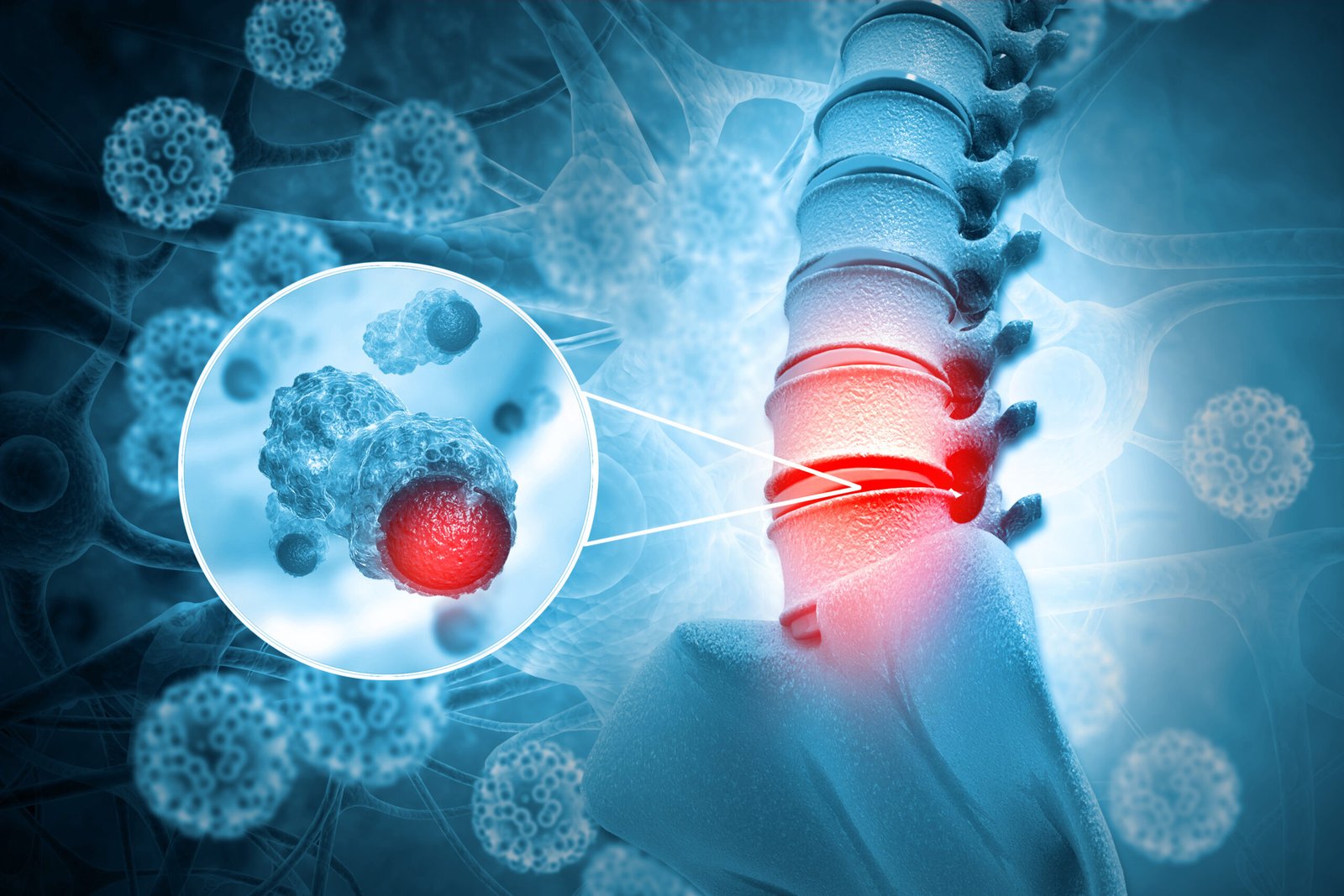
Spine tumors are abnormal growths that develop within or around the spinal cord and vertebral column. These tumors may be benign (non-cancerous) or malignant (cancerous), and they can originate in the spine itself or spread from other parts of the body. Because the spinal cord plays a critical role in transmitting signals between the brain and the rest of the body, even small tumors can significantly affect movement, sensation, and overall neurological function. Early diagnosis and expert management are essential to prevent permanent nerve damage and maintain quality of life. Under the specialized care of Dr. Raghu Samala, advanced diagnostic tools and modern neurosurgical techniques are used to provide safe and effective treatment for spinal tumors.
The symptoms of spine tumors often develop gradually and may vary depending on the tumor’s size and location. Persistent back pain that worsens over time, especially at night or when lying down, is one of the most common warning signs. Patients may also experience weakness in the arms or legs, numbness, tingling sensations, difficulty walking, or problems with balance. In more advanced cases, bladder or bowel dysfunction may occur. Because these symptoms can resemble common spinal conditions, it is important not to ignore persistent or worsening pain, especially if accompanied by neurological changes.
Accurate diagnosis begins with a detailed clinical evaluation and neurological examination. Imaging studies play a central role in identifying and assessing spine tumors. Magnetic Resonance Imaging (MRI) is the most effective tool for visualizing tumors within the spinal cord and surrounding structures. Computed Tomography (CT) scans may be used to assess bone involvement, while additional tests such as PET scans can help determine whether the tumor has spread from another site. In certain cases, a biopsy may be required to confirm the tumor type and guide treatment decisions. Early and precise diagnosis allows for better outcomes and more tailored treatment planning.
Treatment for spine tumors depends on several factors, including the type of tumor, its size and location, and the patient’s overall health. Surgical removal is often the primary treatment, especially when the tumor is causing pressure on the spinal cord or nerves. Advanced microsurgical techniques and intraoperative monitoring help ensure maximum tumor removal while preserving neurological function. In cases where complete removal is not possible, surgery may be combined with radiation therapy or chemotherapy. For metastatic tumors, treatment may also involve coordination with oncology specialists. The goal of treatment is to relieve pain, protect neurological function, and control tumor growth.
Recovery after spine tumor treatment varies depending on the complexity of the procedure and the patient’s preoperative condition. Post-treatment care typically includes pain management, wound care, and gradual mobilization under medical supervision. Physiotherapy and rehabilitation play a key role in restoring strength, mobility, and independence. Regular follow-up appointments and imaging studies are essential to monitor healing and detect any signs of recurrence. A personalized rehabilitation plan ensures that patients regain optimal function and return to their daily activities safely.
As with any spinal surgery or cancer treatment, there are potential risks and complications. These may include infection, bleeding, spinal instability, or neurological deficits such as weakness or numbness. In rare cases, there may be incomplete tumor removal or recurrence. However, with meticulous surgical planning, advanced technology, and experienced neurosurgical care, the risk of complications can be significantly minimized. Open communication between the patient and the medical team helps ensure that any concerns are addressed promptly.
It is important to seek medical attention if you experience persistent back pain that does not improve with rest or medication, especially if it is accompanied by weakness, numbness, difficulty walking, or changes in bladder or bowel control. Early evaluation can make a significant difference in treatment success and long-term outcomes. If you have a history of cancer and develop new spinal symptoms, prompt consultation is strongly recommended. Timely diagnosis and expert care can help prevent serious complications and preserve neurological function.