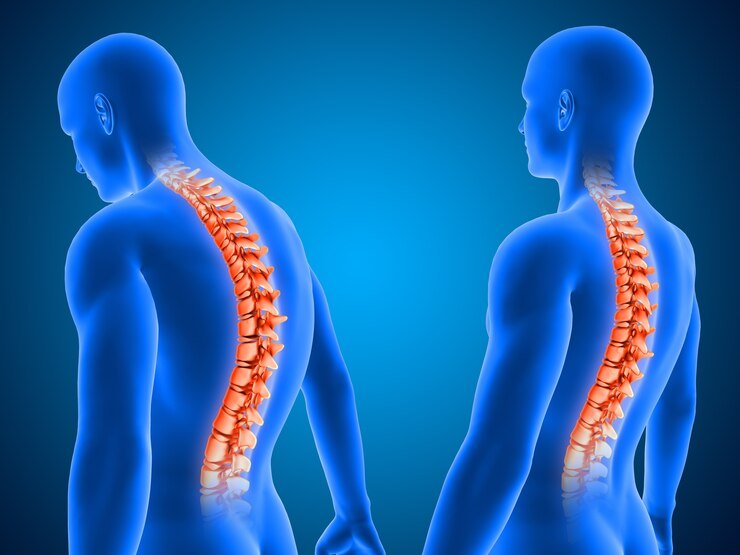
The symptoms of a slip disc depend on its location and the degree of nerve compression. In the lower back, patients may experience severe back pain radiating down the leg, commonly referred to as sciatica. In cervical disc herniation, pain may radiate into the shoulder, arm, or hand. Other symptoms include numbness, tingling sensations, muscle weakness, and difficulty performing daily tasks. In rare and severe cases, patients may develop loss of bladder or bowel control, which requires immediate medical attention. Persistent or worsening symptoms should never be ignored.
The symptoms of a slip disc depend on its location and the degree of nerve compression. In the lower back, patients may experience severe back pain radiating down the leg, commonly referred to as sciatica. In cervical disc herniation, pain may radiate into the shoulder, arm, or hand. Other symptoms include numbness, tingling sensations, muscle weakness, and difficulty performing daily tasks. In rare and severe cases, patients may develop loss of bladder or bowel control, which requires immediate medical attention. Persistent or worsening symptoms should never be ignored.
Accurate diagnosis begins with a detailed medical history and physical examination to assess nerve function, reflexes, and muscle strength. Imaging studies such as Magnetic Resonance Imaging (MRI) are the most reliable tools for confirming a herniated disc and identifying the exact location of nerve compression. In some cases, X-rays may be used to rule out other spinal conditions, while CT scans or nerve conduction studies can provide additional information. Early and precise diagnosis allows for a tailored treatment plan that best suits the patient’s condition.
Most slip disc cases can be effectively managed without surgery. Initial treatment typically includes rest, activity modification, pain-relieving medications, and muscle relaxants. Physiotherapy plays a crucial role in strengthening the spinal muscles, improving posture, and reducing pressure on the affected disc. In selected cases, epidural steroid injections may help reduce inflammation and relieve nerve pain.
Surgical treatment is considered when conservative management fails to provide relief or when there is significant nerve compression causing weakness or functional impairment. Minimally invasive procedures such as microdiscectomy are commonly performed to remove the herniated portion of the disc while preserving spinal stability. Advanced surgical techniques ensure faster recovery and reduced postoperative discomfort.
Recovery after slip disc treatment focuses on gradual rehabilitation and preventing recurrence. Patients are guided through structured physiotherapy programs designed to improve core strength, flexibility, and spinal alignment. Maintaining a healthy weight, practicing proper lifting techniques, and adopting ergonomic work habits are essential components of long-term spine health. Regular follow-up appointments help monitor recovery progress and ensure sustained improvement.
While most patients recover well, untreated slip disc can lead to chronic pain, persistent nerve damage, or muscle weakness. Surgical procedures, although generally safe, may carry risks such as infection, bleeding, recurrence of disc herniation, or nerve injury. Careful evaluation and expert surgical planning significantly reduce these risks and improve outcomes.
You should consult a specialist if you experience persistent back or neck pain lasting more than a few days, pain radiating to the arms or legs, numbness, tingling, or muscle weakness. Immediate medical attention is required if symptoms include loss of bladder or bowel control or sudden severe weakness. Early evaluation and timely treatment not only relieve pain but also prevent long-term complications and restore quality of life.