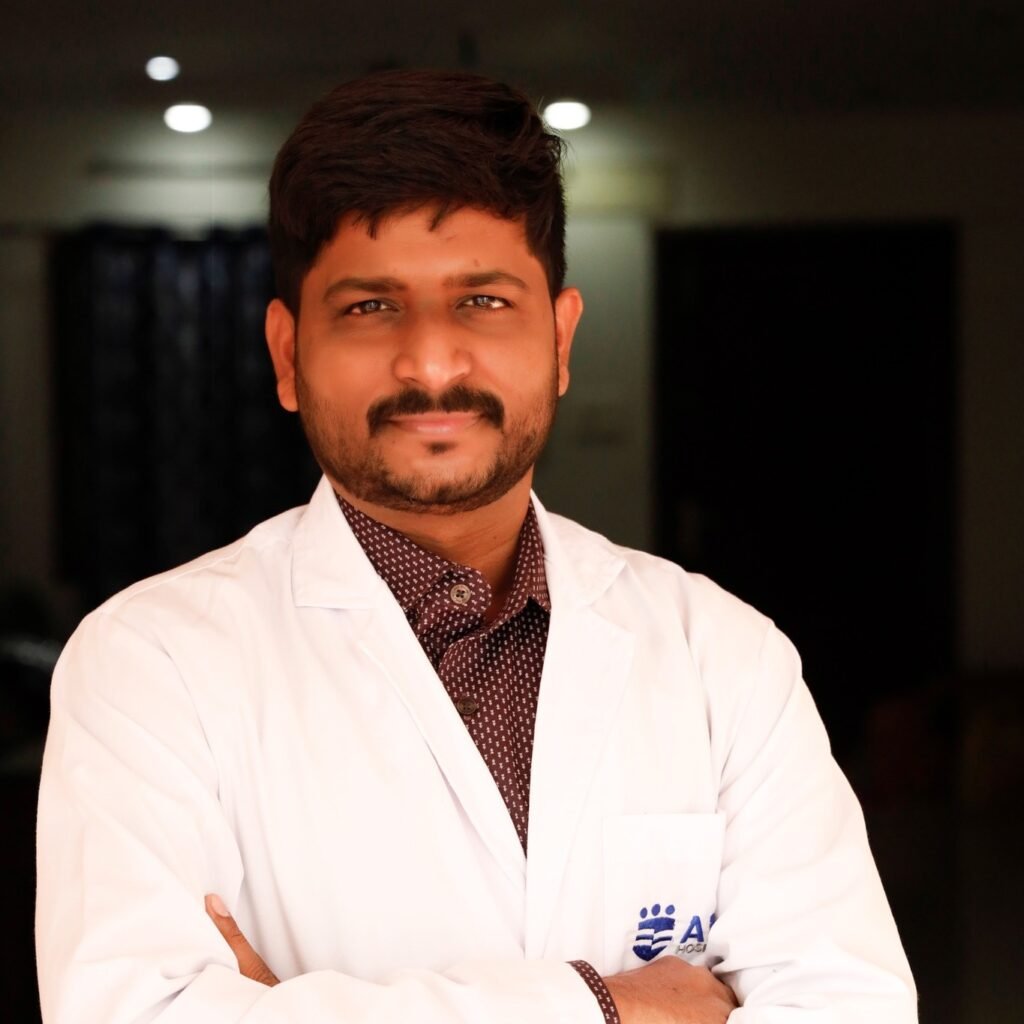
Pediatric neurosurgery is a specialized field focused on diagnosing and treating neurological conditions affecting infants, children, and adolescents. The developing brain and spine require highly precise and delicate care, as even minor abnormalities can influence a child’s growth, development, and long-term quality of life. Pediatric neurosurgical conditions may be present at birth, develop during early childhood, or arise due to trauma, infection, or tumors. Early detection and timely intervention are crucial to protect neurological function and support healthy development. Under the experienced care of Dr. Raghu Samala, children receive compassionate, advanced, and family-centered neurosurgical treatment tailored to their unique needs.
Neurological conditions in children may arise from congenital abnormalities, genetic factors, infections, traumatic injuries, or tumors. Some conditions develop during fetal growth, such as neural tube defects, hydrocephalus, or congenital brain malformations. Others may occur later due to head injuries, spinal injuries, vascular abnormalities, or pediatric brain tumors. In many cases, early prenatal care and routine pediatric evaluations help identify potential issues before they become severe.
Symptoms of neurological disorders in children vary depending on age and the underlying condition. In infants, warning signs may include abnormal head growth, bulging of the soft spot (fontanelle), poor feeding, excessive irritability, or developmental delay. Older children may experience persistent headaches, vomiting, seizures, balance problems, weakness in the limbs, difficulty walking, or changes in behavior and school performance. Spinal conditions may present with back pain, limb weakness, or bladder and bowel disturbances. Recognizing early signs allows for prompt medical evaluation and effective treatment.
Diagnosis in pediatric neurosurgery involves a careful clinical examination along with advanced imaging studies. Ultrasound may be used in newborns, while MRI scans provide detailed visualization of the brain and spinal cord in older children. CT scans are helpful in emergency situations such as trauma. In some cases, specialized tests or genetic evaluations may be recommended. Accurate diagnosis ensures that treatment is precisely tailored to the child’s condition while minimizing unnecessary interventions.
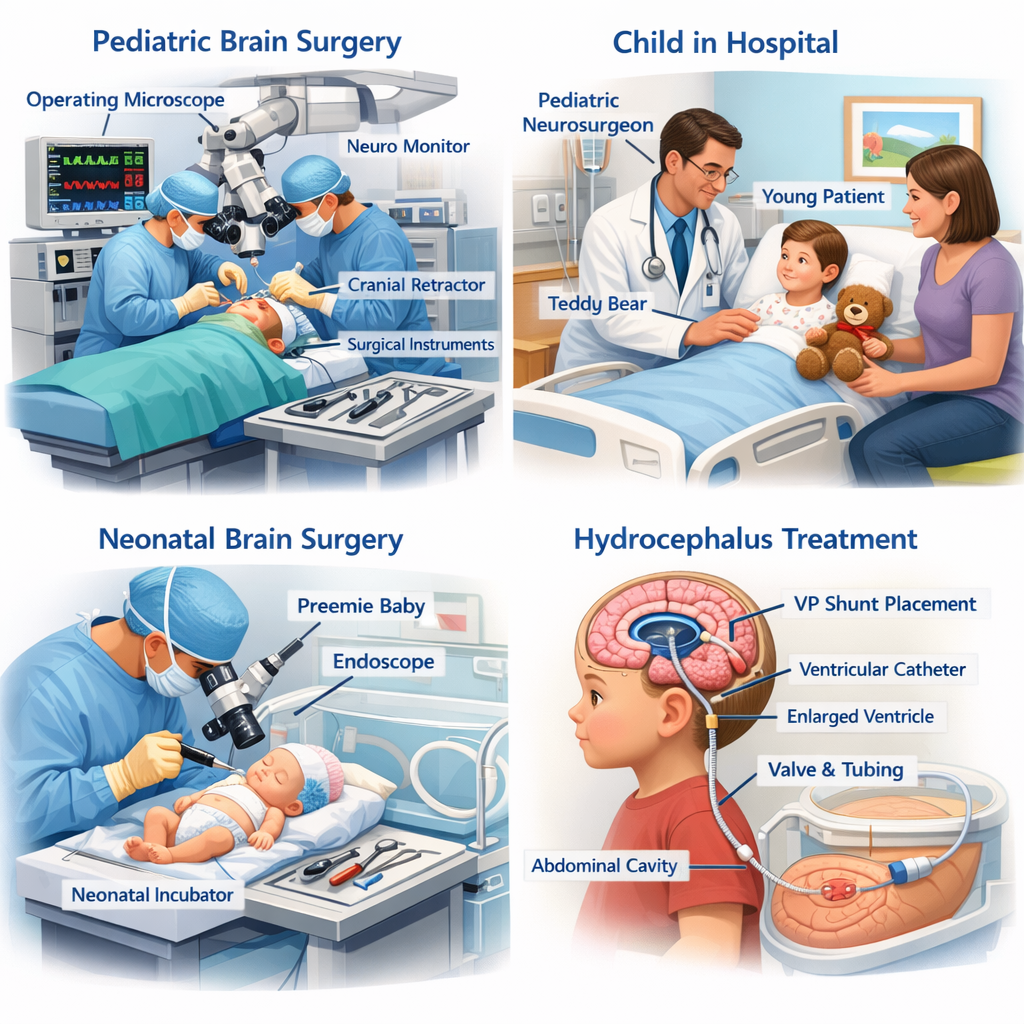
Treatment depends on the specific condition and its severity. Some mild conditions may be managed with careful monitoring and medical therapy. Surgical intervention may be required for conditions such as hydrocephalus, brain and spinal tumors, congenital malformations, or severe traumatic injuries. Modern pediatric neurosurgical techniques focus on precision, safety, and minimizing long-term impact on growth and development. Whenever possible, minimally invasive procedures are preferred to reduce recovery time and discomfort.
Dr. Raghu Samala follows a multidisciplinary approach, collaborating with pediatricians, neurologists, anesthesiologists, and rehabilitation specialists to ensure comprehensive care. Every treatment plan is individualized, with close communication and support for families throughout the process.
Recovery in children often involves structured follow-up and rehabilitation. Physiotherapy, occupational therapy, speech therapy, or developmental therapy may be recommended depending on the child’s needs. Regular monitoring through clinical visits and imaging studies ensures proper healing and early detection of any recurrence or complications. Parental education and guidance play a vital role in supporting the child’s recovery and long-term development.
As with any neurosurgical procedure, potential risks include infection, bleeding, or temporary neurological changes. However, advances in pediatric anesthesia, surgical technology, and perioperative care have significantly improved safety and outcomes. Early intervention reduces the likelihood of permanent neurological deficits and supports better long-term developmental results.
Parents should seek medical evaluation if their child experiences persistent headaches, seizures, delayed developmental milestones, abnormal head growth, limb weakness, or difficulty walking. Any head injury accompanied by vomiting, drowsiness, or confusion requires immediate medical attention. Early consultation with an experienced pediatric neurosurgeon such as Dr. Raghu Samala ensures timely diagnosis, expert treatment, and compassionate care designed to safeguard your child’s neurological health and future well-being.