Nerve Conduction Studies (NCS) are specialized diagnostic tests used to evaluate how well the electrical signals travel through your peripheral nerves. These nerves connect the brain and spinal cord to the muscles, skin, and other parts of the body. When nerves are damaged or compressed, signal transmission slows down or becomes blocked, leading to symptoms such as numbness, weakness, or pain. Nerve Conduction Studies help identify the presence, location, and severity of nerve disorders with precision.
Dr. Raghu Samala uses Nerve Conduction Studies as part of a comprehensive neurological evaluation to diagnose conditions affecting the peripheral nervous system. The test is safe, minimally invasive, and provides valuable information that guides accurate treatment planning. It is often performed alongside electromyography (EMG) to assess both nerve and muscle function.
Nerve conduction abnormalities can occur due to a variety of medical conditions and injuries. Common causes include nerve compression disorders such as carpal tunnel syndrome, herniated discs affecting spinal nerve roots, diabetic neuropathy, traumatic injuries, infections, autoimmune diseases, and certain inherited nerve disorders. Chronic conditions such as diabetes are particularly known for causing gradual nerve damage over time.
In some cases, nerve problems may develop due to prolonged pressure on a nerve, repetitive strain, poor posture, or underlying metabolic conditions. Identifying the exact cause is essential, as treatment varies depending on the underlying condition.
Patients who require Nerve Conduction Studies often experience symptoms such as tingling, numbness, burning sensations, muscle weakness, loss of coordination, or sharp shooting pain in the arms or legs. Some individuals may notice difficulty gripping objects, frequent dropping of items, or muscle wasting in advanced cases.
Symptoms may be mild at first but can gradually worsen if the underlying nerve issue is not addressed. Early evaluation helps prevent progression and long-term complications
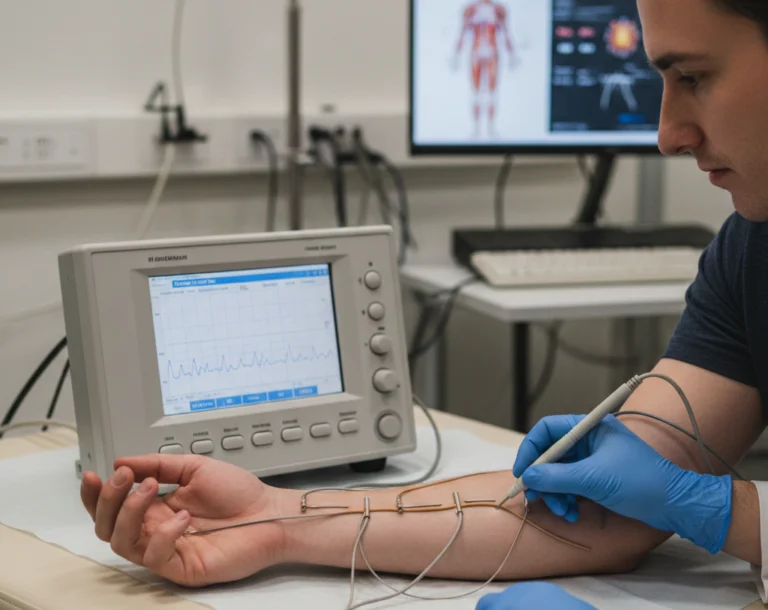
During a Nerve Conduction Study, small electrodes are placed on the skin over the nerve being tested. A mild electrical impulse is delivered to stimulate the nerve, and the response is recorded. This allows measurement of how fast and how effectively the nerve transmits signals. The procedure is typically well tolerated and completed within a short duration, depending on the number of nerves being evaluated.
Dr. Raghu Samala carefully interprets the results to determine whether the nerve damage is due to compression, degeneration, inflammation, or another cause. When combined with clinical examination and imaging studies such as MRI, Nerve Conduction Studies provide a comprehensive understanding of the patient’s neurological condition.
Treatment depends on the specific diagnosis identified through Nerve Conduction Studies. Mild nerve compression may respond to conservative measures such as medications, physiotherapy, lifestyle modifications, ergonomic adjustments, or nerve-supportive supplements. Inflammatory or autoimmune conditions may require targeted medical therapy.
In cases where significant nerve compression is identified, surgical intervention may be recommended to relieve pressure and prevent permanent damage. Dr. Raghu Samala develops individualized treatment plans focused on restoring nerve function, reducing pain, and improving quality of life.
After treatment, regular follow-up is essential to monitor nerve recovery and symptom improvement. Patients may be advised to continue physiotherapy, maintain optimal blood sugar control in cases of diabetic neuropathy, or follow specific rehabilitation exercises to strengthen affected muscles.
Lifestyle modifications, including proper posture, ergonomic work practices, and avoiding repetitive strain, play a key role in preventing recurrence. Early intervention and consistent follow-up significantly improve long-term outcomes.
Nerve Conduction Studies are generally very safe. Patients may experience mild discomfort during electrical stimulation, but this sensation is brief and temporary. Serious complications are extremely rare. When performed by an experienced specialist, the procedure carries minimal risk and provides highly valuable diagnostic information.
The greater risk lies in delaying evaluation and treatment, as untreated nerve damage may become permanent over time.
You should consult a neurosurgeon if you experience persistent numbness, tingling, weakness, unexplained limb pain, or loss of coordination. Symptoms that interfere with daily activities, worsen progressively, or occur after an injury require prompt medical evaluation.
Early diagnosis through Nerve Conduction Studies allows timely treatment, preventing further nerve damage and improving recovery. If you are experiencing neurological symptoms, seeking expert evaluation from Dr. Raghu Samala can help you understand the cause and receive appropriate, evidence-based care.