Electromyography (EMG) is a specialized diagnostic test used to evaluate the health of muscles and the nerve cells that control them. These nerve cells, known as motor neurons, transmit electrical signals from the brain and spinal cord to the muscles, enabling movement. When these signals are disrupted due to nerve injury or muscle disorders, patients may experience weakness, pain, or abnormal muscle activity. Electromyography helps detect and measure these abnormalities with precision.
Dr. Raghu Samala uses Electromyography as an important tool in diagnosing neuromuscular conditions. The test provides detailed information about how muscles respond to nerve stimulation and whether symptoms are caused by nerve dysfunction, muscle disease, or a combination of both. EMG is often performed alongside Nerve Conduction Studies for a comprehensive neurological assessment.
Abnormal EMG findings can result from a variety of underlying conditions affecting the nerves or muscles. These include nerve compression disorders such as carpal tunnel syndrome or cervical and lumbar radiculopathy, peripheral neuropathy, motor neuron diseases, muscular dystrophies, inflammatory muscle disorders, and traumatic nerve injuries. Chronic illnesses such as diabetes may also lead to nerve-related muscle dysfunction over time.
Identifying the exact cause of muscle weakness or nerve-related symptoms is essential, as treatment strategies differ depending on whether the problem originates in the nerve, the muscle, or the connection between them.
Patients who are advised to undergo Electromyography typically report symptoms such as muscle weakness, persistent muscle pain, cramps, twitching, numbness, tingling, or difficulty performing routine movements. Some may notice progressive loss of muscle strength or coordination. In certain cases, muscle wasting or reduced reflexes may also be observed during clinical examination.
These symptoms may develop gradually or appear suddenly following injury. When they persist or worsen, further evaluation with EMG helps determine the underlying cause.
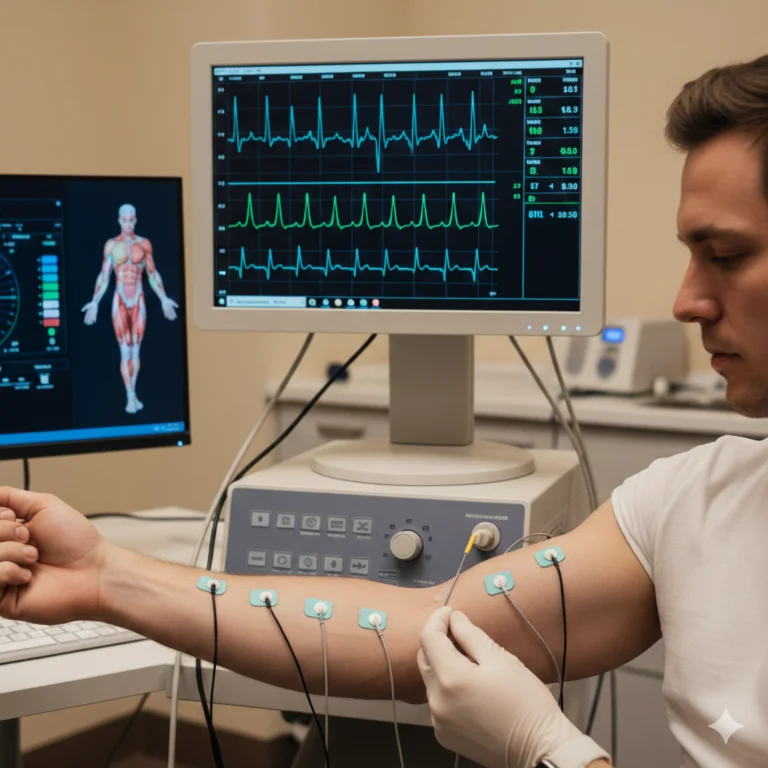
During an Electromyography procedure, a very fine needle electrode is gently inserted into specific muscles to record electrical activity both at rest and during muscle contraction. The recorded signals are displayed on a monitor and analyzed to detect abnormal patterns that indicate nerve or muscle dysfunction. While patients may feel mild discomfort during needle insertion, the procedure is generally well tolerated and safe.
Dr. Raghu Samala carefully interprets EMG findings in combination with clinical examination and imaging studies such as MRI, if required. This integrated approach ensures accurate diagnosis and enables the development of a targeted treatment plan.
Treatment depends on the diagnosis established through EMG. If nerve compression is identified, conservative measures such as medications, physiotherapy, and lifestyle modifications may be recommended. In cases where significant nerve compression or structural abnormalities are present, surgical intervention may be necessary to relieve pressure and restore function.
For inflammatory or autoimmune muscle disorders, appropriate medical therapy is initiated. Rehabilitation programs are often prescribed to improve strength, flexibility, and overall neuromuscular function. Dr. Raghu Samala tailors each treatment plan according to the patient’s specific condition and overall health status.
Following treatment, ongoing monitoring and rehabilitation play a vital role in recovery. Patients may be advised to perform specific strengthening exercises, maintain proper posture, and follow ergonomic practices to prevent recurrence of nerve compression. For chronic conditions such as diabetic neuropathy, maintaining optimal blood sugar control is essential.
Regular follow-up consultations help assess improvement in symptoms and ensure that recovery is progressing as expected.
Electromyography is considered a safe diagnostic procedure with minimal risks. Mild soreness or slight bruising at the needle insertion site may occur but usually resolves within a short time. Serious complications are rare when the procedure is performed by an experienced specialist.
Delaying diagnosis and treatment, however, may result in progressive nerve or muscle damage, making early evaluation important.
You should seek medical consultation if you experience persistent muscle weakness, unexplained pain, numbness, muscle twitching, or difficulty with coordination. Symptoms that interfere with daily activities or progressively worsen require prompt evaluation.
Early assessment through Electromyography allows accurate diagnosis and timely treatment, preventing further complications. If you are experiencing neuromuscular symptoms, consultation with Dr. Raghu Samala can provide clarity, reassurance, and expert care tailored to your condition.