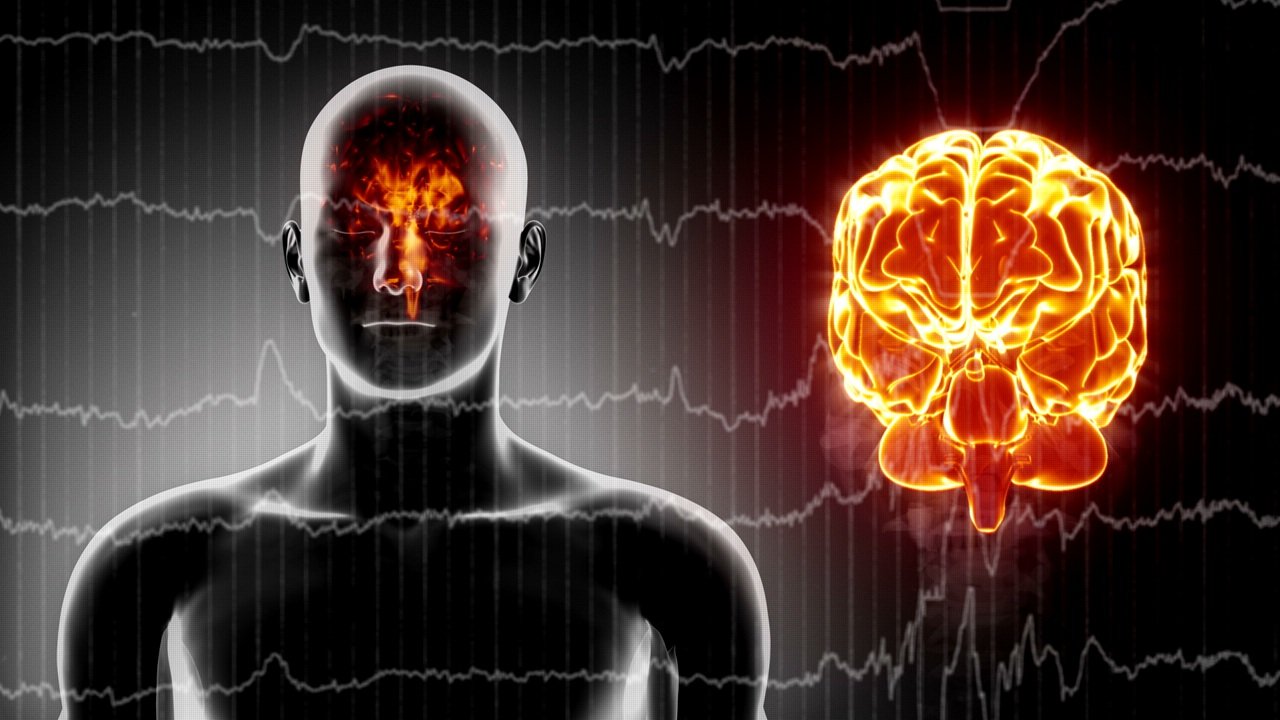
Electroencephalography (EEG) is a non-invasive diagnostic test used to record the electrical activity of the brain. The brain continuously produces electrical signals that regulate thought, movement, sensation, and behavior. When these signals become abnormal, they may indicate neurological conditions such as epilepsy, seizures, brain infections, head injuries, or other disorders affecting brain function. EEG helps detect and analyze these electrical patterns in a safe and precise manner.
Dr. Raghu Samala utilizes Electroencephalography as part of a comprehensive neurological evaluation to assess brain activity. The test plays a crucial role in diagnosing seizure disorders, evaluating unexplained episodes of altered consciousness, and monitoring certain brain conditions. EEG is painless, safe, and provides valuable real-time information about brain function.
Abnormal EEG findings may be associated with several neurological conditions. The most common indication for EEG is suspected epilepsy or recurrent seizures. Other causes include head trauma, brain tumors, infections such as encephalitis or meningitis, stroke, metabolic disturbances, sleep disorders, and certain degenerative brain diseases.
In some cases, patients experience unexplained fainting spells, sudden behavioral changes, or memory disturbances. EEG helps determine whether these symptoms are related to abnormal electrical activity in the brain.
Patients who may require Electroencephalography often report symptoms such as recurrent seizures, episodes of staring spells, sudden confusion, loss of awareness, involuntary movements, unexplained fainting, or unusual sensory experiences. Children and adults alike may experience these symptoms, and early evaluation is important for proper management.
Other warning signs include persistent headaches accompanied by neurological symptoms, sudden personality changes, or unexplained episodes of altered mental status. Identifying the underlying cause early helps prevent complications.
During an EEG procedure, small electrodes are placed on the scalp using a conductive gel. These electrodes detect and record the electrical activity of the brain. The test typically lasts between 20 minutes to an hour, although longer monitoring may be required in certain cases. Patients are asked to relax, and sometimes specific activities such as deep breathing or exposure to flashing lights are used to assess brain responses.
Dr. Raghu Samala carefully analyzes the EEG recordings to identify abnormal patterns, such as epileptiform discharges or slowing of brain waves. When combined with clinical examination and imaging studies like MRI or CT scans, EEG provides a comprehensive evaluation of brain health.
Treatment depends on the diagnosis established through EEG findings. In cases of epilepsy, anti-seizure medications are commonly prescribed to control abnormal electrical activity. If structural abnormalities such as tumors or brain lesions are identified, surgical intervention may be considered.
For infections, inflammation, or metabolic disturbances, appropriate medical management is initiated. Dr. Raghu Samala develops individualized treatment plans aimed at controlling symptoms, addressing the underlying cause, and improving overall neurological function.
After diagnosis and initiation of treatment, regular follow-up is essential to monitor response and adjust medications if necessary. Patients with seizure disorders may be advised on lifestyle modifications, medication adherence, and safety precautions to reduce the risk of injury.
In some cases, repeat EEG studies may be recommended to assess treatment effectiveness. Ongoing monitoring ensures optimal management and long-term neurological stability.
Electroencephalography is a very safe and non-invasive procedure with minimal risks. The electrodes simply record electrical activity and do not deliver electrical current to the brain. In rare instances, patients prone to seizures may experience a seizure during activation procedures such as flashing lights, but this occurs under controlled medical supervision.
Overall, EEG is considered a reliable and low-risk diagnostic tool that provides critical insights into brain function.
You should consult a neurosurgeon if you experience recurrent seizures, unexplained fainting spells, sudden confusion, memory disturbances, or unusual neurological symptoms. Early evaluation is especially important if symptoms are new, worsening, or occurring frequently.
Timely diagnosis through Electroencephalography allows appropriate treatment and reduces the risk of complications. If you or a loved one is experiencing concerning neurological symptoms, seeking expert consultation with Dr. Raghu Samala ensures accurate diagnosis and compassionate, specialized care.