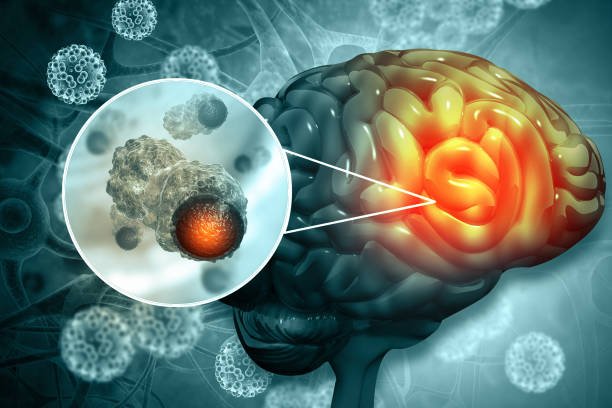
A brain tumor is an abnormal growth of cells within the brain or its surrounding structures. Tumors may be primary, meaning they originate in the brain, or secondary (metastatic), spreading from cancers elsewhere in the body. Brain tumors can be benign (non-cancerous) or malignant (cancerous), but even benign tumors can cause serious problems due to pressure on critical brain areas. Because the brain controls essential functions such as movement, speech, memory, and vision, early diagnosis and expert management are vital. Under the specialized care of Dr. Raghu Samala, patients receive advanced diagnostic evaluation and personalized treatment plans focused on maximizing tumor control while preserving neurological function and quality of life.
The exact cause of most brain tumors is not fully understood. In many cases, tumors develop without any clear risk factors. Certain genetic conditions, family history, and prior exposure to radiation therapy to the head may increase the risk. Metastatic brain tumors occur when cancer cells spread from other organs such as the lungs, breast, kidney, or skin to the brain through the bloodstream. While lifestyle factors are not directly linked to most primary brain tumors, maintaining overall health and regular medical check-ups support early detection.
Symptoms of a brain tumor vary depending on its size, type, and location. Persistent or worsening headaches are among the most common symptoms, especially if they are more severe in the morning or associated with vomiting. Other signs may include seizures, vision problems, difficulty speaking, weakness or numbness in the limbs, balance issues, memory changes, or personality alterations. In some cases, symptoms develop gradually, while in others they may appear suddenly. Any unexplained or progressive neurological symptom should prompt immediate medical evaluation.
Accurate diagnosis begins with a thorough neurological examination to assess reflexes, coordination,strength, and cognitive function. MRI scans are the primary imaging tool used to detect and evaluate brain tumors, providing detailed images of brain tissue. CT scans may be used in emergency situations or when MRI is not suitable. In most cases, a biopsy is performed to determine the exact tumor type and grade, which guides treatment decisions. Advanced imaging and molecular testing further assist in tailoring personalized treatment strategies.
Treatment for brain tumors depends on multiple factors, including tumor type, size, location, and the patient’s overall health. Surgical removal is often the first step when the tumor is accessible and safe to remove. The goal is to remove as much of the tumor as possible while protecting vital brain functions. Modern microsurgical techniques, neuronavigation systems, and intraoperative monitoring enhance surgical precision and safety.
Depending on the diagnosis, additional treatments such as radiation therapy, chemotherapy, targeted therapy, or immunotherapy may be recommended. Some tumors may require a combination of treatments for optimal results. In selected cases, stereotactic radiosurgery offers a non-invasive option to precisely target tumor cells. Dr. Raghu Samala provides comprehensive, multidisciplinary care to ensure each patient receives the most appropriate and effective treatment.
After treatment, regular follow-up visits and imaging studies are essential to monitor recovery and detect any recurrence. Rehabilitation therapies such as physiotherapy, speech therapy, or occupational therapy may be necessary if neurological deficits are present. Long-term monitoring and supportive care help patients regain independence and maintain quality of life. Emotional and psychological support also plays a significant role in recovery.
Untreated brain tumors can lead to progressive neurological deficits, seizures, increased intracranial pressure, or life-threatening complications. Even with treatment, potential risks may include infection, bleeding, temporary neurological changes, or tumor recurrence. Advances in neurosurgical technology and comprehensive postoperative care significantly reduce these risks and improve outcomes.
You should seek medical attention if you experience persistent headaches, new-onset seizures, unexplained weakness, vision changes, speech difficulty, or behavioral changes. Early evaluation allows timely diagnosis and more effective treatment. Consulting Dr. Raghu Samala ensures expert assessment, advanced treatment options, and compassionate care tailored to your individual condition and long-term neurological health.