A brain stroke is a medical emergency that occurs when blood supply to a part of the brain is interrupted or reduced, depriving brain tissue of oxygen and nutrients. Within minutes, brain cells begin to die, making early diagnosis and immediate treatment critical. Stroke is one of the leading causes of disability and death worldwide, but timely medical intervention can significantly improve outcomes and reduce long-term complications. Advanced neurosurgical and neurocritical care techniques now allow effective management of many stroke cases. Under the expert care of Dr. Raghu Samala, patients receive rapid evaluation and comprehensive stroke treatment focused on restoring blood flow and preserving brain function.
Brain strokes are broadly classified into two main types: ischemic stroke and hemorrhagic stroke. An ischemic stroke occurs when a blood clot blocks an artery supplying the brain, often due to atherosclerosis, high blood pressure, diabetes, or heart disease. A hemorrhagic stroke occurs when a weakened blood vessel ruptures, causing bleeding into or around the brain. Risk factors include hypertension, smoking, high cholesterol, obesity, sedentary lifestyle, and certain heart rhythm disorders such as atrial fibrillation. Early identification and control of these risk factors are essential in stroke prevention.
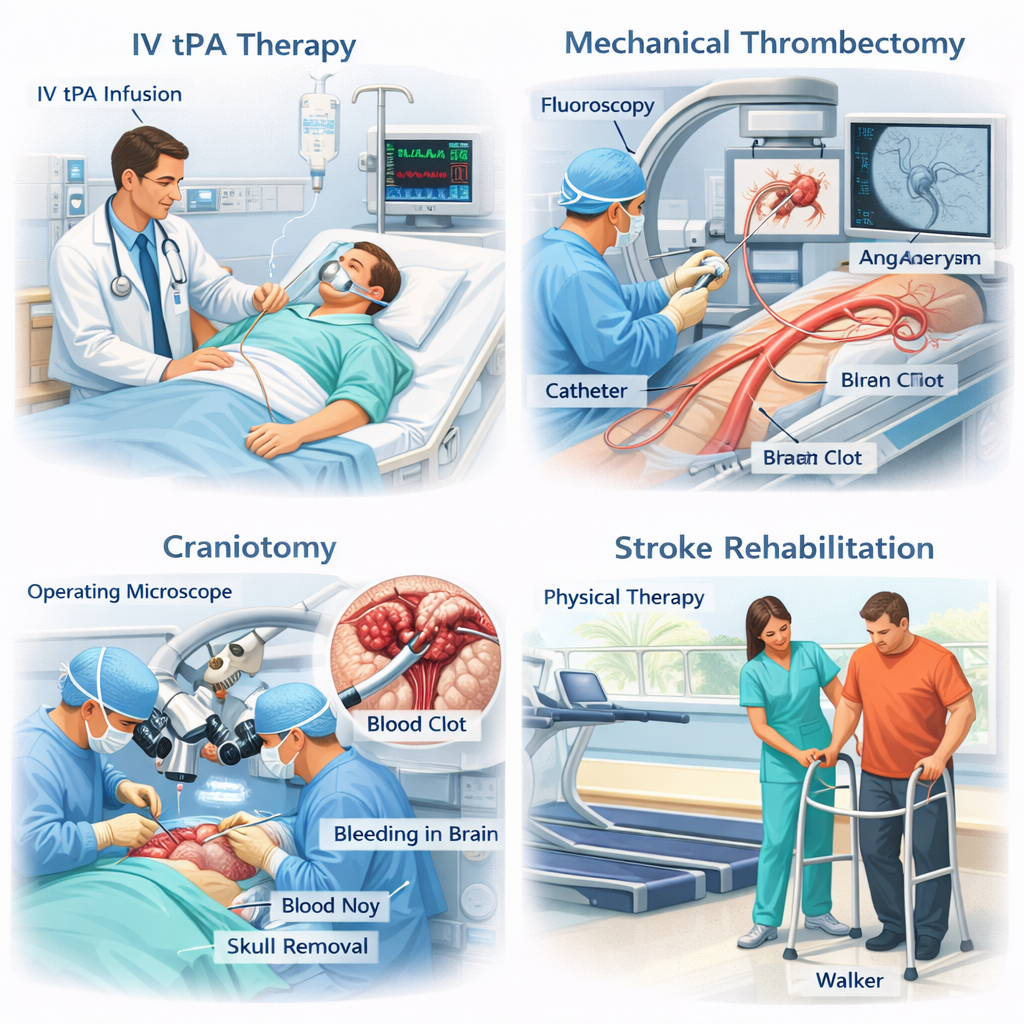
Treatment depends on the type and severity of stroke. In ischemic stroke, clot-dissolving medication (thrombolysis) may be administered within a specific time window to restore blood flow. In selected cases, mechanical thrombectomy—a minimally invasive procedure to remove the clot—can significantly improve outcomes.
For hemorrhagic stroke, treatment focuses on controlling bleeding, reducing brain swelling, and managing blood pressure. Surgical intervention may be required to remove blood clots, repair ruptured vessels, or relieve pressure within the skull. Intensive monitoring in a specialized neurocritical care unit ensures close observation and prompt management of complications. Dr. Raghu Samala provides individualized treatment strategies based on the type of stroke, timing, and the patient’s overall health condition.
Recovery after stroke often involves a structured rehabilitation program. Physiotherapy, speech therapy, and occupational therapy help patients regain strength, mobility, communication skills, and independence. Long-term management includes controlling blood pressure, blood sugar, cholesterol levels, and adopting a healthy lifestyle. Regular follow-up visits and imaging studies are important to monitor recovery and prevent recurrence. Emotional support and counseling may also play a vital role in rehabilitation.
If not treated promptly, stroke can lead to permanent brain damage, paralysis, speech difficulties, memory loss, or other long-term neurological deficits. Complications may include brain swelling, recurrent stroke, seizures, or hydrocephalus. Early intervention, advanced medical care, and comprehensive rehabilitation significantly reduce these risks and improve quality of life.
Seek immediate emergency medical attention if you notice sudden weakness on one side of the body, difficulty speaking, facial drooping, vision problems, or severe headache. Time is critical in stroke treatment, and delays can result in irreversible brain damage. Early consultation and rapid intervention under the care of Dr. Raghu Samala can make a life-saving difference and greatly enhance recovery outcomes.