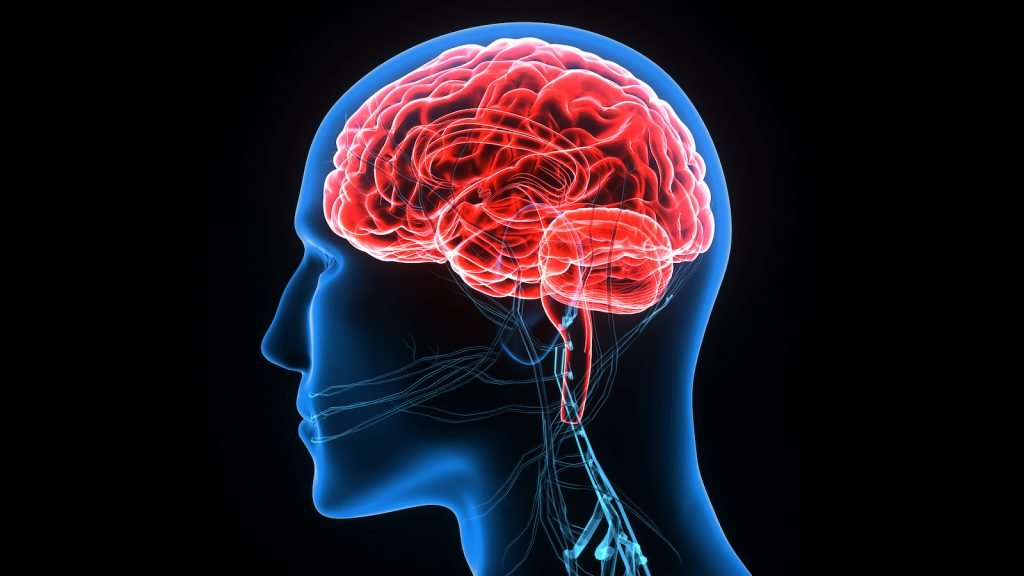
Brain and spine injuries are serious medical conditions that can significantly affect movement, sensation, cognition, and overall quality of life. These injuries often occur suddenly and require immediate medical attention to prevent long-term complications. A brain injury may involve damage to the brain tissue due to trauma, bleeding, or swelling, while a spinal injury affects the spinal cord and surrounding structures, potentially disrupting communication between the brain and the rest of the body. Early diagnosis, prompt treatment, and specialized neurosurgical care are essential to optimize recovery. Under the expert guidance of Dr. Raghu Samala, patients receive comprehensive evaluation and advanced treatment strategies aimed at preserving neurological function and restoring independence.
Brain and spine injuries most commonly result from traumatic events such as road traffic accidents, falls from height, sports injuries, workplace accidents, or physical assaults. Sudden impact can cause skull fractures, brain contusions, hemorrhage, or spinal fractures leading to spinal cord damage. Non-traumatic causes such as tumors, infections, degenerative spine conditions, or vascular disorders may also contribute to neurological injury. The severity of damage depends on the force of impact, the area affected, and the speed at which medical care is initiated.
Symptoms vary widely depending on the location and extent of injury. Brain injuries may present with headache, confusion, memory loss, dizziness, vomiting, seizures, blurred vision, or loss of consciousness. Severe cases can lead to altered awareness or coma. Spinal injuries often cause neck or back pain, numbness, tingling, muscle weakness, difficulty walking, or loss of bladder and bowel control. In cases of spinal cord injury, paralysis below the level of injury may occur. Any sudden neurological symptom following trauma should be considered a medical emergency.
Accurate and rapid diagnosis is critical in managing brain and spine injuries. A detailed neurological examination is performed to assess consciousness, motor strength, sensation, and reflexes. Imaging studies such as CT scans are commonly used in emergency settings to detect fractures or bleeding in the brain. MRI scans provide detailed visualization of soft tissues, spinal cord damage, and ligament injuries. These investigations help determine the severity of injury and guide appropriate treatment planning.
Treatment depends on the type and severity of injury. Mild brain injuries may require observation, medication, and rest, while more severe injuries involving bleeding or swelling may need urgent surgical intervention to relieve pressure on the brain. Spinal fractures or spinal cord compression may require stabilization using advanced surgical techniques, including instrumentation and fusion.
Emergency management focuses on stabilizing the patient, maintaining oxygen supply to the brain and spinal cord, and preventing secondary injury. Once stabilized, rehabilitation plays a vital role in recovery. Dr. Raghu Samala employs a patient-centered approach, combining advanced neurosurgical procedures with coordinated rehabilitation to maximize neurological recovery and functional improvement.
Recovery from brain and spine injury often requires a structured rehabilitation program. Physiotherapy, occupational therapy, and speech therapy may be recommended depending on the patient’s deficits. Regular follow-up visits and imaging studies help monitor healing and detect any complications early. Emotional and psychological support is equally important, as neurological injuries can impact mental well-being. A supportive, multidisciplinary care plan enhances long-term outcomes and promotes independence.
Complications can include persistent neurological deficits, chronic pain, seizures, cognitive impairment, or paralysis. Brain injuries may lead to swelling, infection, or hydrocephalus, while spinal injuries can result in permanent loss of sensation or movement if not treated promptly. Early intervention and specialized care significantly reduce the risk of long-term disability and improve survival rates.
Immediate medical evaluation is essential after any significant head or spinal trauma, especially if there is loss of consciousness, severe headache, weakness, numbness, confusion, or difficulty speaking or walking. Even seemingly minor injuries should not be ignored if symptoms persist or worsen. Early consultation with an experienced neurosurgeon such as Dr. Raghu Samala ensures accurate diagnosis, timely treatment, and comprehensive care aimed at achieving the best possible recovery.