Herniated Discs
Enquire Now
- Home
- |
- Pain Condition
- |
- Herniated Discs
Herniated Discs
Herniated discs, also known as slipped or ruptured discs, are a common spinal condition that can cause significant pain and discomfort. The incidence of a herniated disc is about 50+-20 cases per 1000 adults annually and is most common in people in their third to fifth decade of life, with a male-to-female ratio of 2:1.
The estimated prevalence of symptomatic Herniated disc of the lumbar spine is about 1-3 per cent of patients. Seeking specialised care from a Herniated Disc Specialist in Hyderabad is essential for effectively managing Herniated Discs and improving quality of life.
Overview
Herniated discs happen when the soft gel-like centre of a spinal disc bulges through a tear in the tough outer layer, causing pressure on nearby nerves. This can result in symptoms such as pain, numbness, and weakness. Back Pain Doctors in Hyderabad offer comprehensive evaluation and personalised treatment plans for individuals suffering from Herniated discs.
Causes of Herniated Discs
Degenerative Changes: Age-related wear and tear of the spinal discs, combined with weakening of the outer disc layer, can increase the risk of disc herniation.
Trauma or Injury: Sudden, forceful movements or lifting heavy objects can cause disc herniation, particularly in individuals with weakened discs.
Poor Posture: Prolonged sitting, improper lifting techniques, and poor body mechanics can contribute to disc degeneration and increase the risk of herniation.
Genetic Factors: Inherited factors may predispose some individuals to develop Herniated discs due to disc structure or composition abnormalities.
Symptoms of Herniated discs
Pain: Sharp, shooting pain that radiates from the site of the herniation into the arms or legs, known as radicular pain or sciatica.
Numbness/Tingling: Sensations of numbness, tingling, or pins and needles in the affected extremities, corresponding to the path of the compressed nerve
Muscle Weakness: Weakness or difficulty performing certain movements, such as lifting objects or walking, due to nerve compression.
Changes in Reflexes: Diminished or exaggerated reflexes in the affected limbs may indicate nerve involvement
Diagnosis of Herniated discs
Medical History: Understanding the onset, duration, and characteristics of symptoms, as well as any previous injuries or underlying medical conditions.
Physical Examination: Assessing reflexes, muscle strength, sensation, and range of motion to identify signs of nerve compression.
Diagnostic Tests: MRI scans, CT scans, or electromyography (EMG) may be ordered to visualise the extent of disc herniation and assess nerve function at Spinal Disc Herniation Treatment Hyderabad
Treatment Options for Herniated Discs
Pain Management: Nonsteroidal anti-inflammatory drugs (NSAIDs), muscle relaxants, and pain relievers may be prescribed to alleviate pain and inflammation. Pain specialists near you like those at Dr. Amarnath’s Pain Management Clinic, offer specialised medication management for effective pain relief.
Physical Therapy: Stretching exercises, strengthening exercises, and manual therapy techniques can improve spinal mobility, reduce muscle tension, and alleviate symptoms.
Epidural Steroid Injections: Corticosteroid injections into the epidural space around the affected nerve can provide targeted pain relief and reduce inflammation.
Spinal Decompression Therapy: Non-surgical treatments such as traction or decompression therapy may help relieve pressure on the Herniated disc and alleviate symptoms at Pain Management Clinic for Herniated discs
Conclusion
Herniated discs can cause significant pain and discomfort, but with proper evaluation and treatment from pain management specialists, like those at Dr Amarnath’s Pain Management Clinic, individuals can find relief from their symptoms. By addressing the underlying causes of Herniated discs and implementing appropriate treatment strategies at Herniated Discs Doctor in Hyderabad, individuals can improve their spinal function and return to their desired activity.
If you’re experiencing persistent or severe symptoms related to a Herniated disc, consult with a pain specialist near me for a personalised evaluation and Herniated disc treatment recommendations tailored to your specific needs.
Meet Our Doctors

Dr. Amarnath Reddy
MBBS, M.D. (Anaesthesiology), FIPM, EDRA, Fellowship in Chronic Pain (University of Toronto)
- Experience:15 years
- Hyderabad, Ts
Dr. Amarnath Reddy
MBBS, M.D. (Anaesthesiology), FIPM, EDRA, Fellowship in Chronic Pain (University of Toronto)
- Experience:15 years
- Hyderabad, Ts
Why Choose Us

Patient Experience
Your care and comfort are our top priorities. We ensure that the patients are well informed prior to every step we take for their benefit and that their queries are effectively answered.
Latest Technology
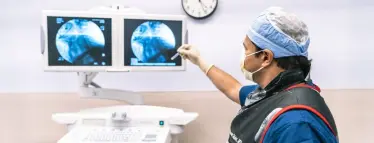
The Gleneagles Hospitals team stays up to date on the advancements in medical procedures and technologies. Experience the Future Healthcare Technologies now at Gleneagles Hospitals

Providing Quality Care
Strengthening lives through compassionate care, innovative therapies and relentless efforts. It reflects in the DNA of our passionate team of doctors and dedicated clinical staff